Column · @jlg3cz6fu6
Why an Independent Protest Brand Matters More Than Ever
Walking through a protest march in 2020, I noticed something strange. Crowds wore the same logo tees from fast-fashion sites, the same mass-produced slogans that had been algorithm-trending that week. It felt less like a movement and more like a coordinated purchase. That moment made me ask: when did dissent become just another product category?
The answer is complicated. Mainstream brands have learned to co-opt rebellion. They sell you a T-shirt with a fist on it while their supply chains rely on the same labor practices activists are fighting. An independent protest brand operates differently. It builds credibility by staying small, staying specific, and staying accountable to the people who wear its clothes.
The Difference Between Merch and Mission
Big companies like Supreme or Patagonia have dipped into political messaging. Supreme drops a "Vote" box logo; Patagonia runs full-page ads against public lands development. Both are better than silence, but they are not the same as a brand built around activism from day one. An independent protest brand does not bolt on a message for a season. It lives and breathes the fight. Its profits fund the groups it claims to support, and its designs come from the community, not a focus group.
Consider Amnesty International or Planned Parenthood. They sell merchandise, T-shirts, totes, pins, but the purchase is secondary to the mission. A true independent protest brand works in that same spirit, but without the infrastructure of a large NGO. It has to be lean. It has to be loud. And it has to be honest, because there is no PR department to spin a misstep.
What Makes a Protest Brand Independent?
Independence means more than just being small. It means controlling your own supply chain, avoiding venture capital that demands growth at any cost, and refusing to license your designs to the same conglomerates that underwrite political adversaries. It means making choices that hurt your bottom line in the short term because they align with your values in the long term.
An independent protest brand also has to navigate a tricky line with social media platforms. These platforms are essential for reaching new people, but they are run by tech companies that have a conflicted relationship with free speech. One day your post about a protest march is boosted. The next day it is restricted for "hateful content." The brand has to decide whether to play the algorithm's game or to find other channels, email lists, community boards, independent blogs, to share its message.
Satire as a Shield and a Weapon
Many independent protest brands lean on satirical designs. A shirt that mocks a politician's catchphrase or turns a corporate logo inside out can cut through the noise. Satire works because it is hard to censor. It is also hard to co-opt. A giant company like Milo or Corteva can sponsor a feel-good campaign about sustainability, but they cannot easily sponsor a joke at their own expense. That is where the small brand has the advantage: it can be viciously funny without worrying about shareholder approval.
I remember seeing a design that replaced the iconic Patagonia mountain silhouette with a pile of discarded plastic. It was not authorized by Patagonia. It did not need to be. The brand that printed it, a tiny operation run out of a basement, was making a point about greenwashing. They did not make much money on that shirt, but they did not need to. The point was the point.
The Coffee and the Cause
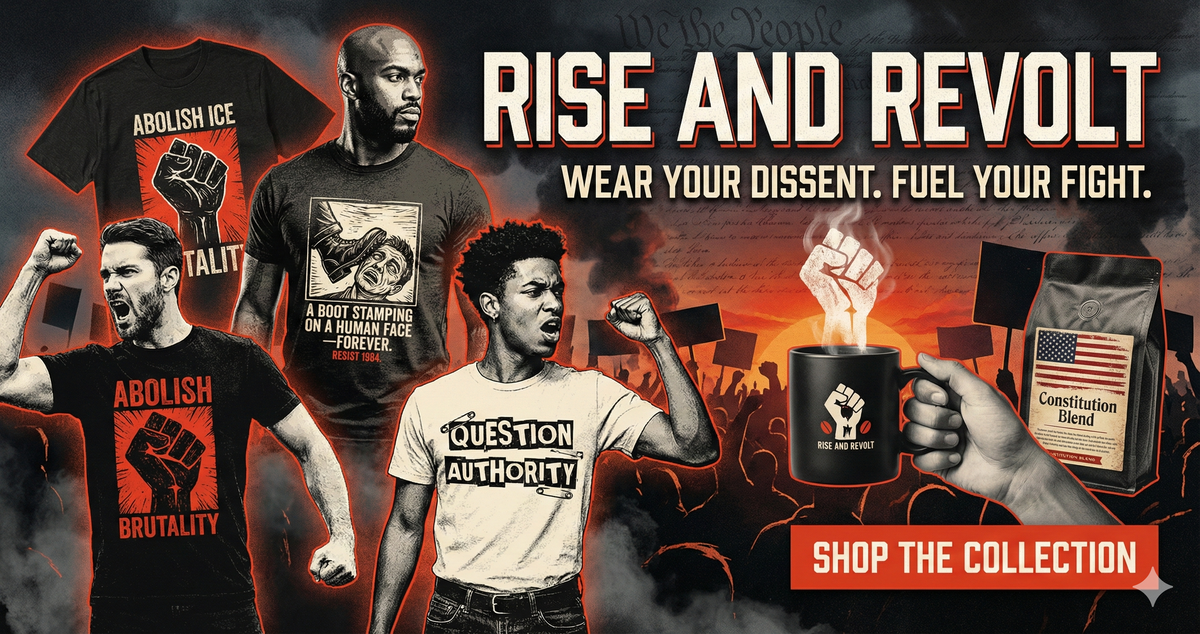
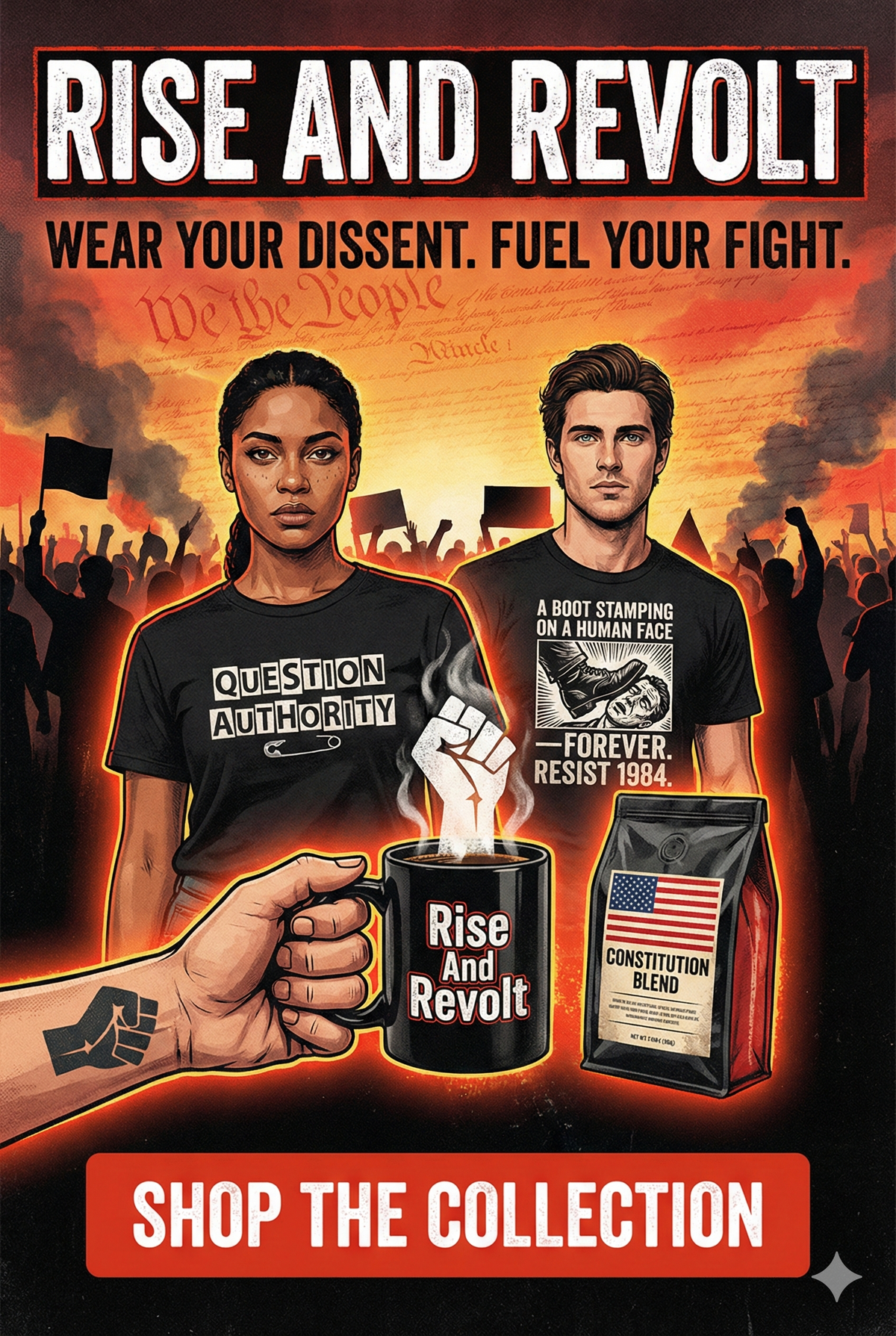
Some independent protest brands have expanded beyond activist apparel into consumables. Coffee is a natural fit. People stand outside at rallies, holding signs, talking to strangers. A cup of coffee in hand is practically part of the uniform. When a brand sells coffee alongside T-shirts, it is not just diversifying revenue. It is creating a ritual. You drink the coffee in the morning, you think about the cause, you wear the shirt to the protest, and you feel connected to something larger.
That connection is fragile. If the coffee is overpriced or the quality is poor, the brand loses credibility. An independent protest brand cannot afford to cut corners on product. The people who buy it are not tourists. They are activists. They will notice if the stitching fails after three washes or the beans taste stale. They will also forgive small mistakes if the mission is genuine. But that trust has to be earned every day.
Rally Merchandise and the Risk of Saturation
Walk through any protest march today and you will see the same problem: too much rally merchandise that looks the same. Black Lives Matter shirts, Planned Parenthood tees, Sierra Club hats, they all blur together. An independent protest brand has to resist the urge to follow trends. It should not just print the hashtag of the week. It should develop a visual language that feels distinct, something that people recognize as the brand's own.
That is hard to do when your budget is small and your turnaround time is short. But it is also the only way to survive. If your brand looks like everyone else's, you are competing on price and shipping speed. You will lose to Amazon. If your brand has a point of view, a consistent aesthetic, and a clear set of values, you can charge a premium and people will pay it because they believe in what you are doing.
The Trap of Bulk Candy Politics
There is a temptation for independent protest brands to chase volume. To print thousands of shirts with a vague slogan and sell them to anyone. I call that "Bulk Candy politics." It tastes sweet for a moment but leaves no nutritional value. The brand becomes a commodity. The message becomes noise.
The best independent protest brands do the opposite. They print small batches. They collaborate with local artists. They run campaigns around specific issues, a zoning fight, a school board election, a police accountability measure, rather than abstract concepts like "justice." This approach does not scale well, but it builds a loyal following. When the brand needs support, those followers show up.
Free Speech and the Price of Independence
Being an independent protest brand also means accepting the consequences of free speech. You will lose customers. You will get hate mail. Tech companies will throttle your reach. Some platforms will ban your ads because your message is deemed "divisive." That is the price of entry.
But there is also a deeper cost. When you align your brand with democracy and civil liberties, you inherit the messiness of those ideals. You have to defend the speech of people you disagree with. You have to let customers criticize you publicly without deleting their comments. You have to be transparent about your own supply chain and labor practices. If you demand accountability from the government, you must accept it yourself.
Conclusion: Wear Your Politics on Your Sleeve
An independent protest brand is not a business model. It is a commitment. It is the choice to build something that cannot be easily bought, sold, or digested by the mainstream. It is the recognition that a T-shirt or a bag of coffee is never just a product. It is a statement. And statements have consequences.
The next time you are at a protest march or scrolling through an online shop, ask yourself: who made this? Who profits? Who is accountable? The answers will tell you whether you are supporting an independent protest brand or just buying another piece of merchandise.